|
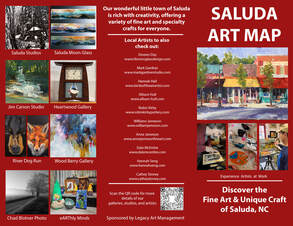
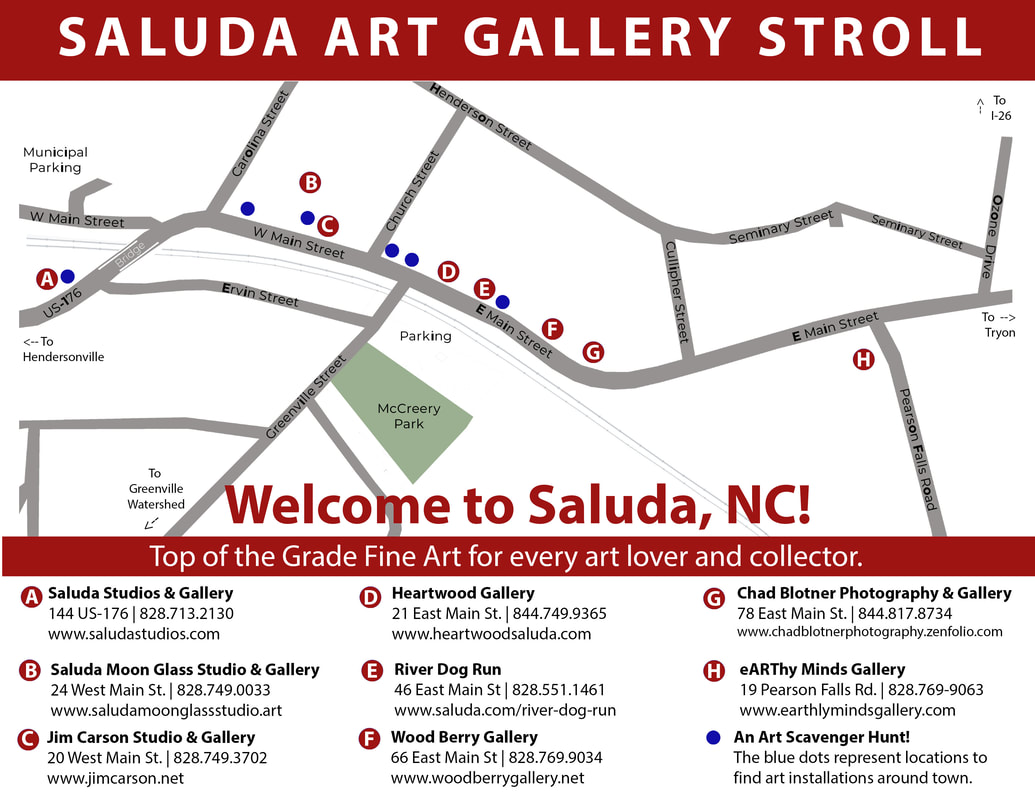
When we bought our home in Saluda, I knew there were a handful of artists and galleries in the area, but I didn't realize exactly how big of an art community this town is. Saluda has a population of just under 650 residents. So, it was a great surprise to see 9 brick-and-mortar gallery/studio locations and over a dozen working artists living here. That's 3% of the population! I have gotten to know and worked with a number of these artists and galleries over the past two years. Being a printmaking artist, myself, I see the need to help my art community market itself to become an art destination the way Charleston, Naples, and even Asheville are. During my time in Charleston, I was the Secretary then Vice President and finally the President of the Charleston Gallery Association. I just saw it as helping out my art community and the gallerists I had gotten to know over the years. I never thought I would use this experience to help another community. But... here I am, and enjoying every minute of it. Together with a number of the Saluda gallerists, we started brainstorming how to bring more attention (and sales) to the art community. So, we have created a walking map to put a spotlight on the galleries as well as list a number of artists' websites to introduce visitors to Saluda to even more art. I've also added a page called Saluda Arts to Legacy's website to help people visit
When you move into a new community, especially one so small and quaint as this one, you want to participate and give to the community to feel a part of it. I never thought when I was building Legacy Art Management that I would use my consulting company to give to my new found community. I'm all for it!
0 Comments
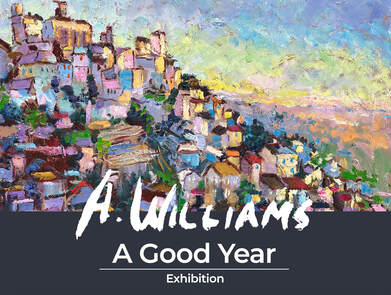
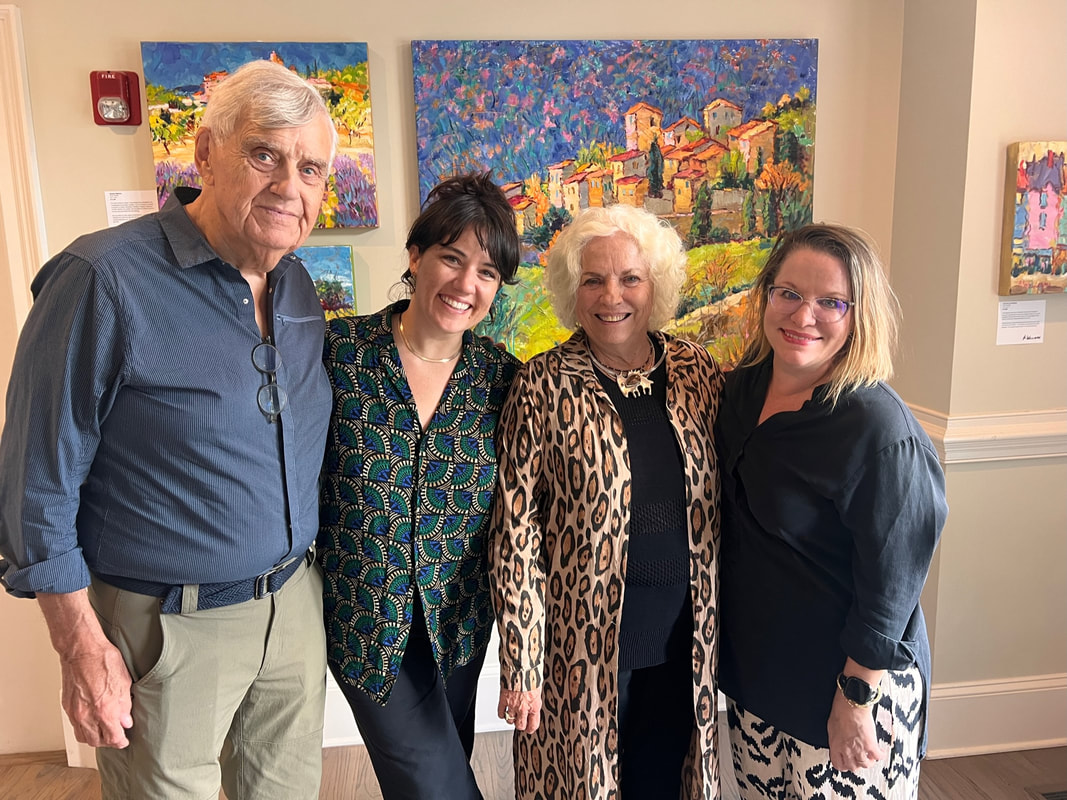
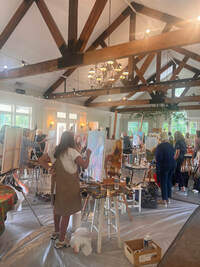
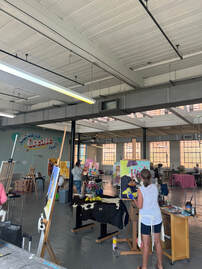
It's amazing how quickly April turns into October, especially when you have a business to run. Prioritizing does not always help you fit in the little things that you want to do - like adding to your blog. So, what has been happening? Just as this blog post's title says - it's been a whirlwind few months. All the focus has been on my amazingly talented client, Alice Williams. We had been planning on a month-long trip she was making back home in the States, and decided to add two 3-day workshops and an exhibition in two different cities to the tail end of her trip.
This called for Alice to paint an entire body of work, which we titled "A Good Year" (named after and inspired by one of her favorite movies) on top of also painting for this month's upcoming exhibition "French Daydreams" at my former Charleston gallery Hagan Fine Art. The workshops came and went without a hitch with many happy students, and I am proud to say I sold more than half of the exhibition. It was such a wonderful experience to see Alice working with so many talented artists and newcomers to painting, as well as pair her beautiful work with collectors.
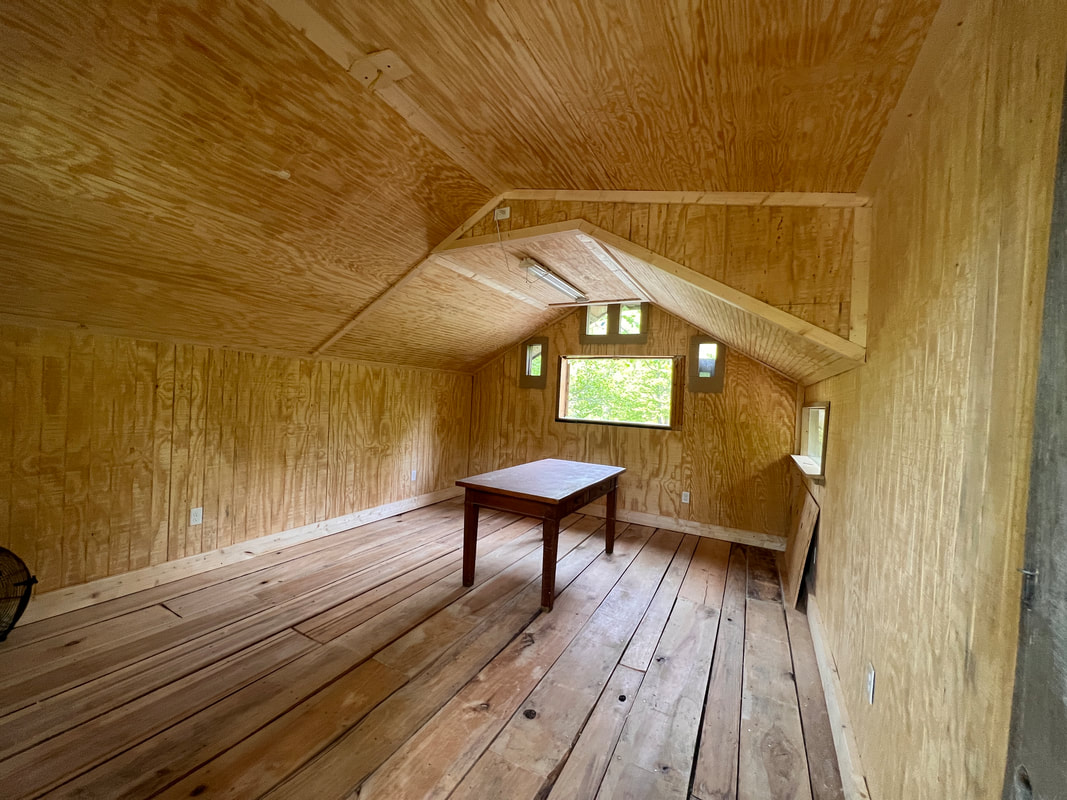
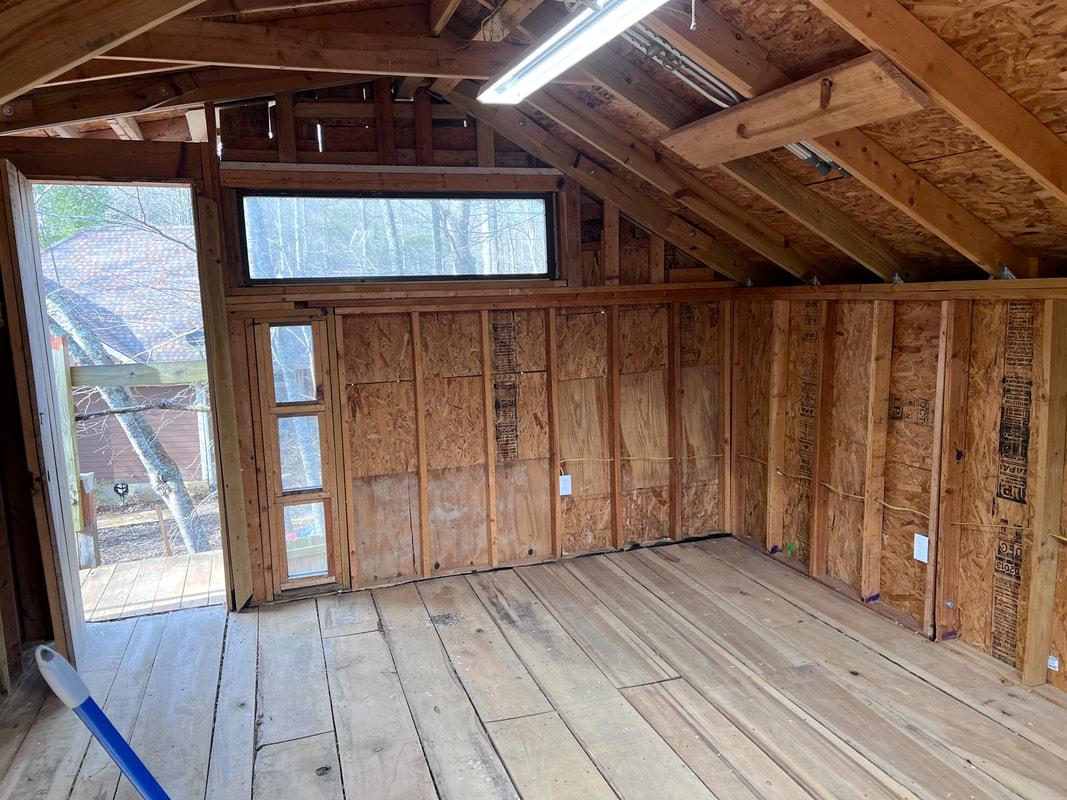
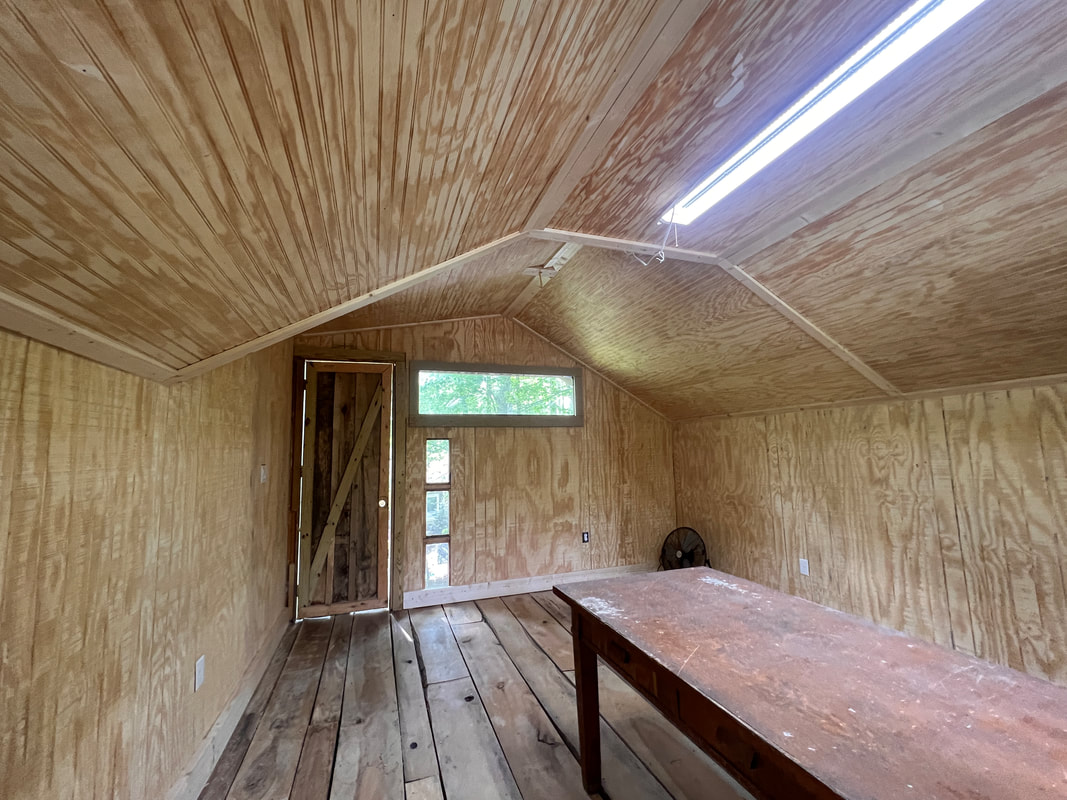
 So, what next? A BOOK! In addition to being a wonderful painter, Alice also has a passion for writing and has been writing stories to include in a big, beautiful coffee table book we hope to have published in 2024. In addition, Alice's daughter - Christine Williams Mann - has a dream job of providing unimaginable safari experiences in Africa. Alice and her charming husband, Don Williams, will be hosting a special safari and painting opportunity to a limited number of artists. Click HERE to learn more and sign up for this amazing, once-in-a-lifetime experience.  It seems like the majority of my blog posts have me say "When we moved to Saluda," at one point or another. It's because this moved changed so many things for us. Our cabin sits on 3 acres of land with a wooded area we've carved out walking trails, a rock wall we've turned into a lavender garden, a pond full of about 200 goldfish (that's a story for another time), and a janky two-story barn. Earlier this year we started a renovation project on the barn - first working on the second story to provide Ethan a writer's garret and office space. 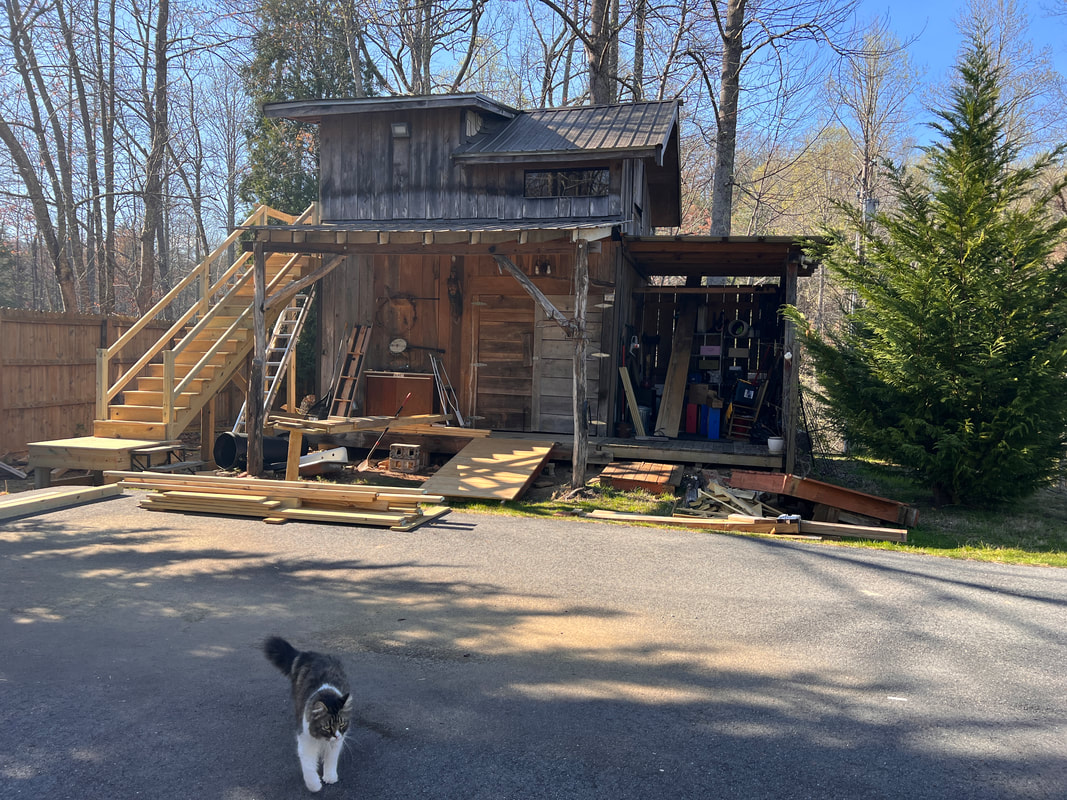 ETHAN'S WRITER'S GARRET - BEFORE & AFTER:
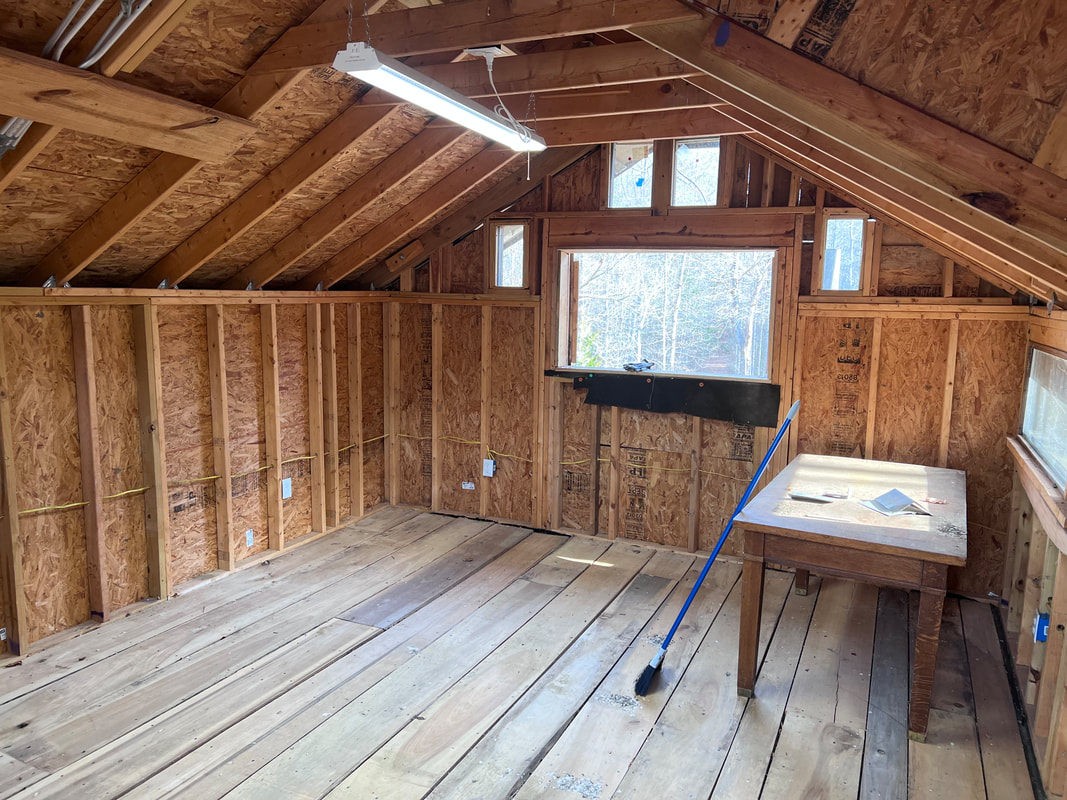
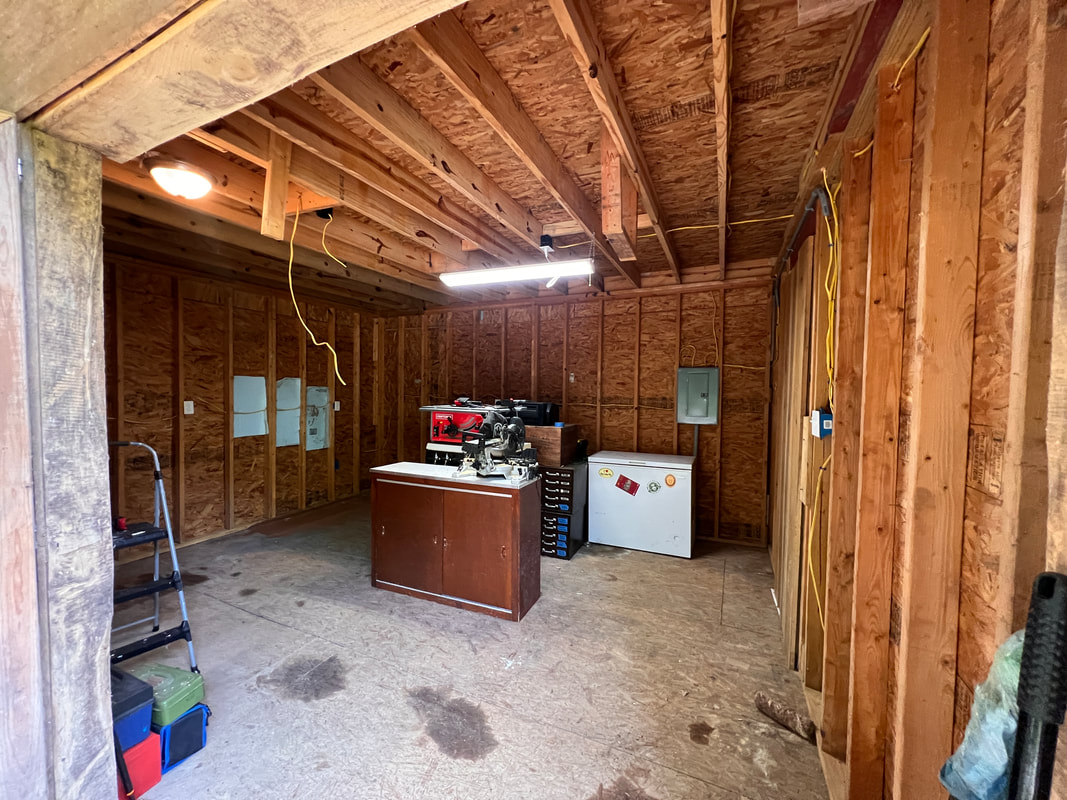
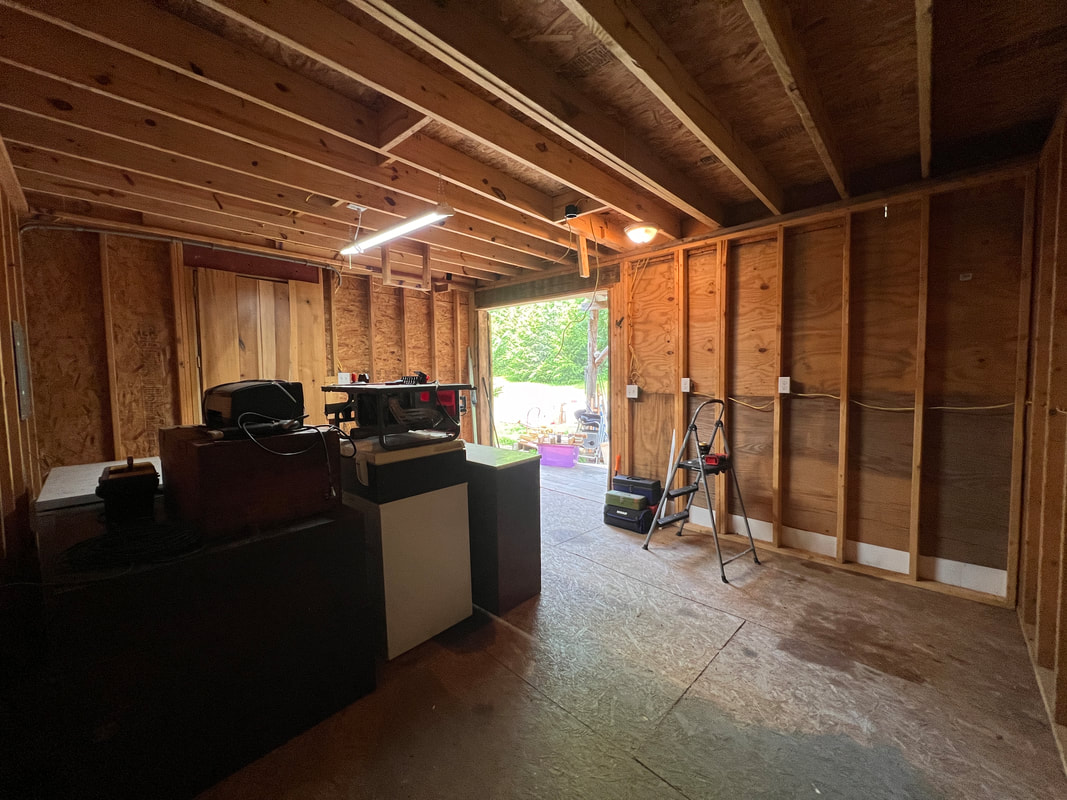
I had my sights set on the ground floor to turn it into a studio. Of course, I also needed to figure out where I was going to find the equipment and whatnot to actually have a studio, but as they say: IF YOU BUILD IT, THEY WILL COME. My former gallery, Hagan Fine Art, was making a move to a wonderful new location back in the heart of Charleston's French Quarter. Their landlords were a couple that included an artist named Margaret Peterson... ...and she just so happened to have an entire printmaking studio she was planning to sell. I was blown away by what I was purchasing and how generous both she and her husband, Harold, were to help me make this happen. And so, with a deadline to get the equipment moved, Ethan and I busted our butts to get the downstairs space emptied of all we'd been storing it in, lay down subfloors, put up insulation and walls, and get the place ready for a printmaker's dream studio. MY PRINTMAKING STUDIO - BEFORE & AFTER:
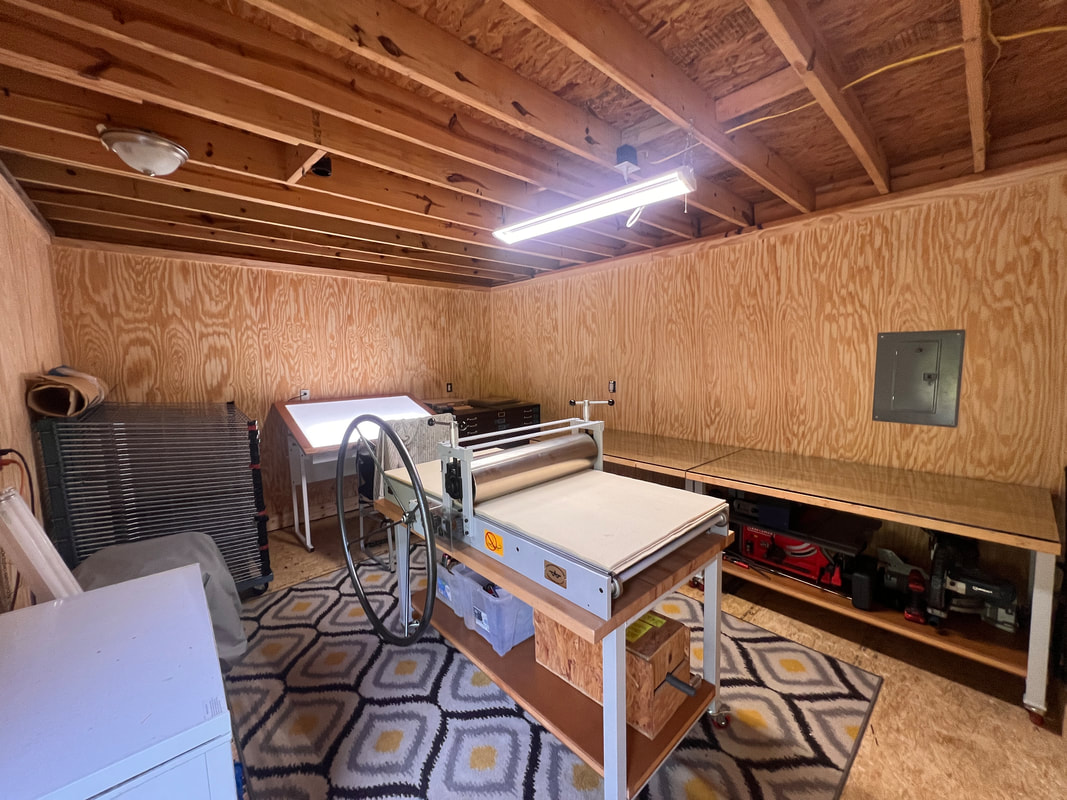 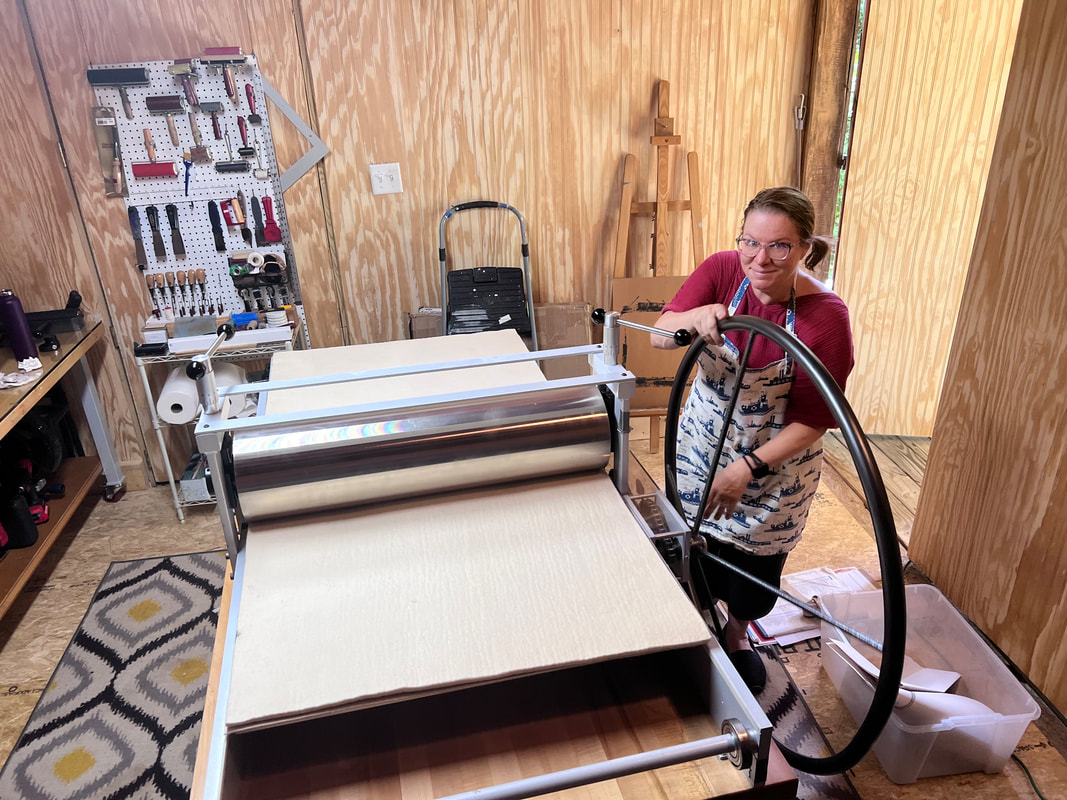 I AM THRILLED!!! And now there are no excuses on why I can't put a little focus on the art form I am so passionate about.
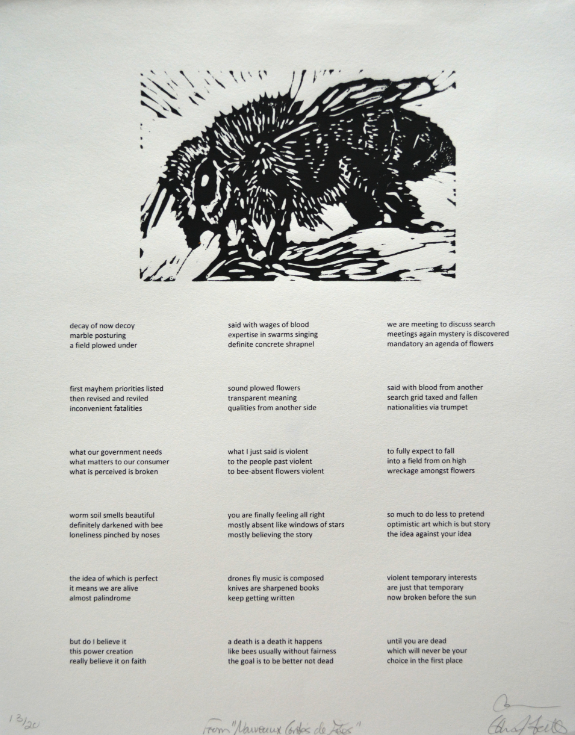
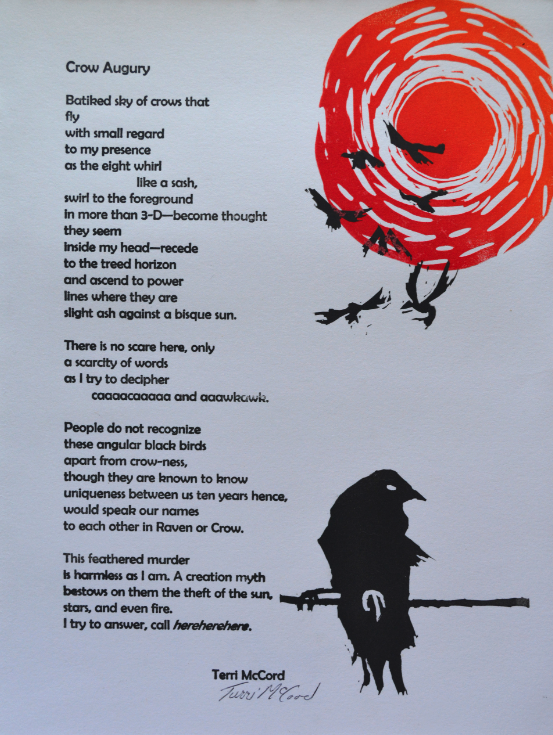
My educational background was Art History and Studio Art with a focus on Printmaking. For years (over a decade!) after college, I didn't do any printmaking. I didn't have the money to rent a studio, a space in my home to create a proper, and didn't make the time. My husband, Ethan, has always been rooting for me to get back into it. The first (and only) print I did while still living in New York was an abstract view looking down the bike path of the Manhattan Bridge. This was his commute every day for the thirteen years he lived in Brooklyn. He used it for the cover of a chapbook he wrote called Cadence. 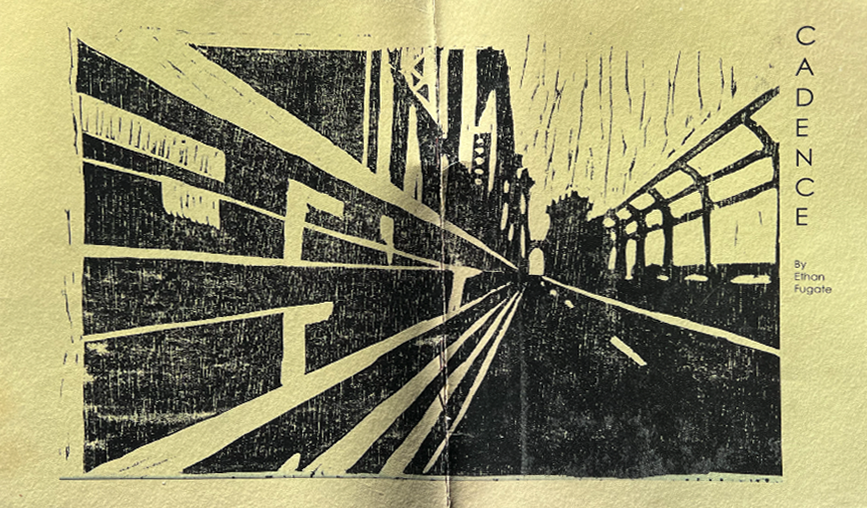 It wasn't until when we bought our first home in Charleston in 2015 that I finally add a little area of the guest bedroom to call my studio. We got me a little 12 x 24 Blick press, and I started doing little things here and there. But, again I wasn't really doing much. It was with Ethan being a poet and involved in the poetry scene of Charleston that the majority of my printmaking was focused on broadsides for visiting poets for the Poetry Society of South Carolina. But there was always this frustration in not having a proper studio space. I could call it an excuse, but it really was inconvenient to have to work in a room that was primarily a guest bedroom. It didn't feel like a studio. So, I didn't feel like an artist.
Well, I finally got the studio of my dreams. But, you'll have to keep reading in Part 2 to find out exactly what that means... 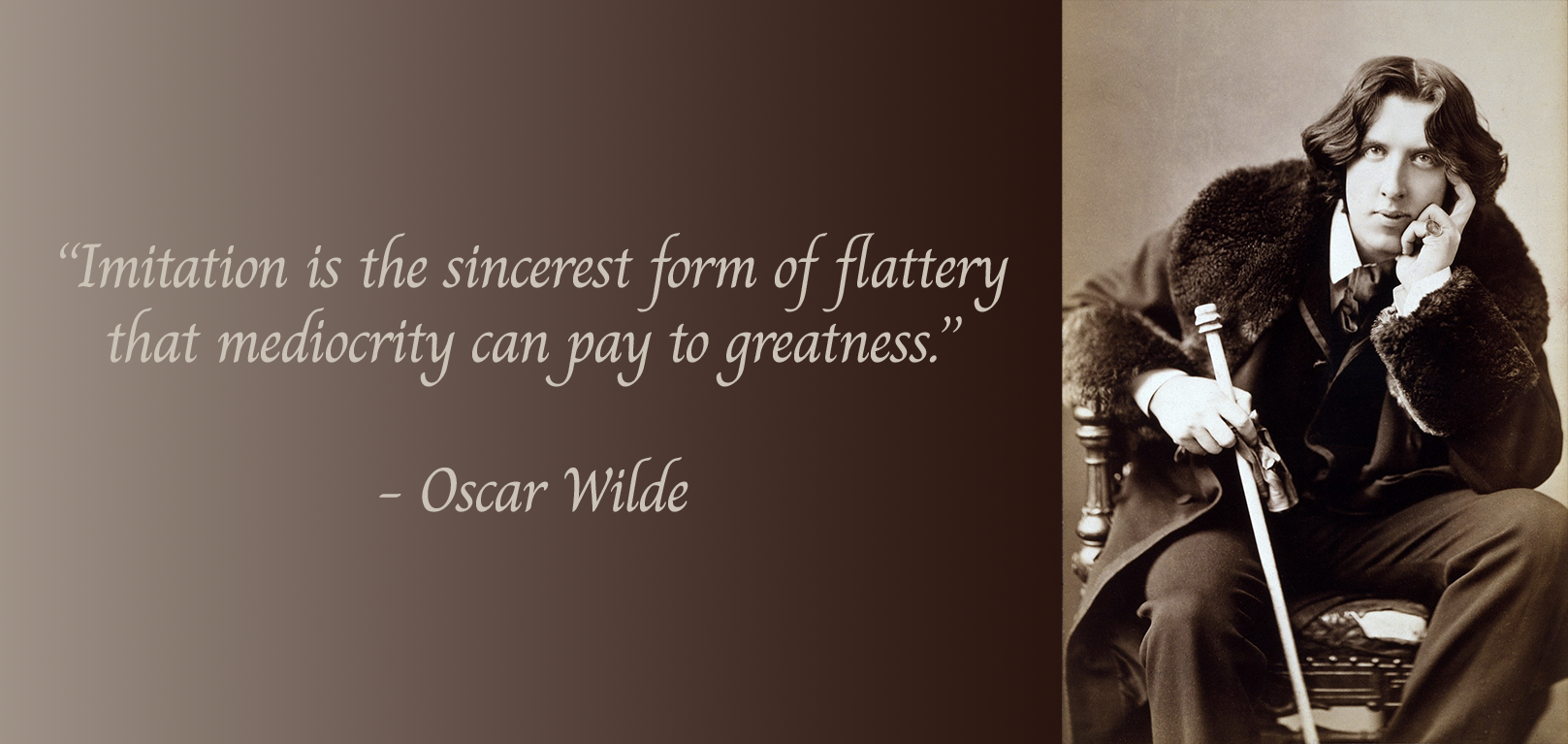 Fun Fact: Oscar Wilde was not the originator of the first half of this quote. He did add the bit about mediocrity, though. I always thought this was quite the burn.
An artist friend of mine recently sent me an image of a post another artist posted on their social media of a couple different pieces that were extremely similar to my friend's work. No, they weren't exact copies of any specific pieces, but they were distinctly my friend's style, palette and compositions. The sting, I think, is that they know each other. The first half of Wilde's quote, the original proverb, was the first thing I said to my friend in hopes to lessen the frustration and insult she felt. But, I think the second half is more important for the other artist: Don't be mediocre. Be the great one. I'm not going to get into the whole copyright infringement issue in this post. That's a beast in and of itself. I do want to talk about being your own artist and finding your own style. Yes, artists out there paint in the style of Impressionism, Realism, Post-Impressionism, Cubism, on and on. There's a difference between influence and copy. But, a Hirst is a Hirst, a Slonem is a Slonem. Do start carving up sharks or doing quick paints of bunnies and call it your own. Another impressionist-style artist friend of mine took a private class from an abstract artist and walked away enriched from the experience. She didn't turn into an abstract artist, but she did incorporate different tricks and tools to create pattern and texture. I always encourage artists that are learning their craft to take workshops and classes from other artists. These opportunities, though, are to walk away with nuggets of information and different ways that artist creates. Find the inspiration of who you admire and see how you can apply it to your work... but don't copy. (How did my friend handle it, you may be curious? She was the bigger person. She left it be and moved on, knowing that she has established herself and her work to be something not only sought after by collectors but by artists as well.)   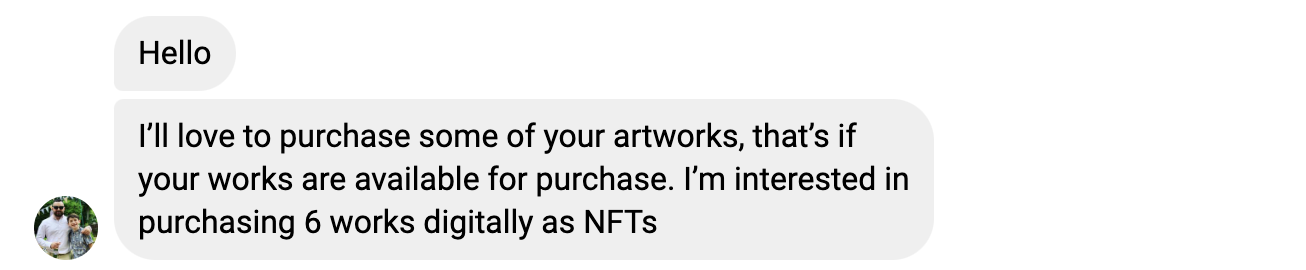 NFTs... Non-Fungible Token. Huh?
In May of 2014 a Charleston-based digital artist named Kevin McCoy created and sold the first-known NFT for a whopping $1.5 million at a Sotheby's auction. And suddenly the whole world was nuts about NFTs. But what are they and how are they being used to scam? Full disclosure, I still don't completely get NFTs, and I am probably not 100% accurate in the workings of how they're done. But, NFTs essentially are a high res digital file of a work of art. In McCoy's case (and the intended purpose of NFTs) is there's a single high res digital piece with a single buyer... and that's it. It cannot be reproduced. NFTs are bought and sold through cryptocurrency. Originally it was to move digital money around. But, these days NFTs are pretty much done and worthless as a commodity... but not as a scam. They're used to capture real currency from you and convert and move it into cryptocurrency. The scam, as always, is to get your money. What they do is make you an offer (that's too good to be true), and invite you to upload the digital images to a specific site. But, that site requires a credit card payment for each upload. We're talking around $150 for each upload. And then there's something they call a Gas Fee, which is a and $500 a pop to "convert" the file to an NFT. Fortunately, I do not have any direct experience with this to carry on in explaining the manner of the scam beyond this. All I can say is DO NOT BUY INTO NFT OFFERS ON SOCIAL MEDIA. If it's too good to be true, it is. Don't engage. Have you ever received an email inquiry like this:  If it's you're first, you may be tricked into believing it's authentic. But, chances are you'll received another one, close to exactly like this one but the name and where they're from has changed. Sometimes they'll be more specific and list artwork they want to buy.
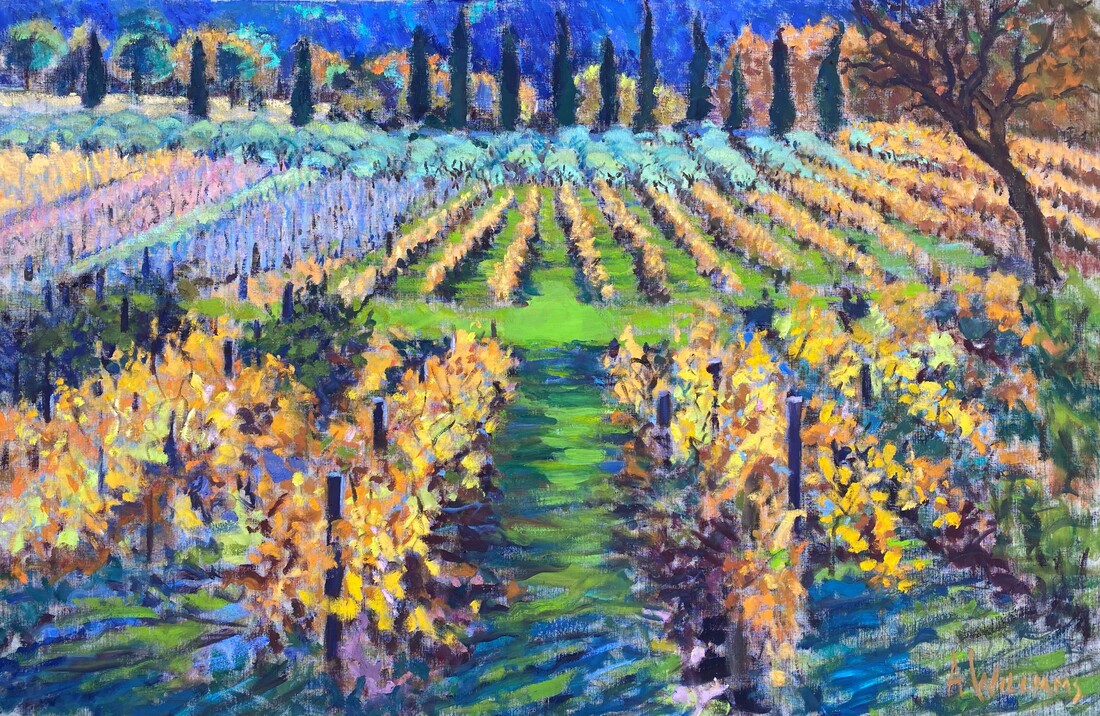
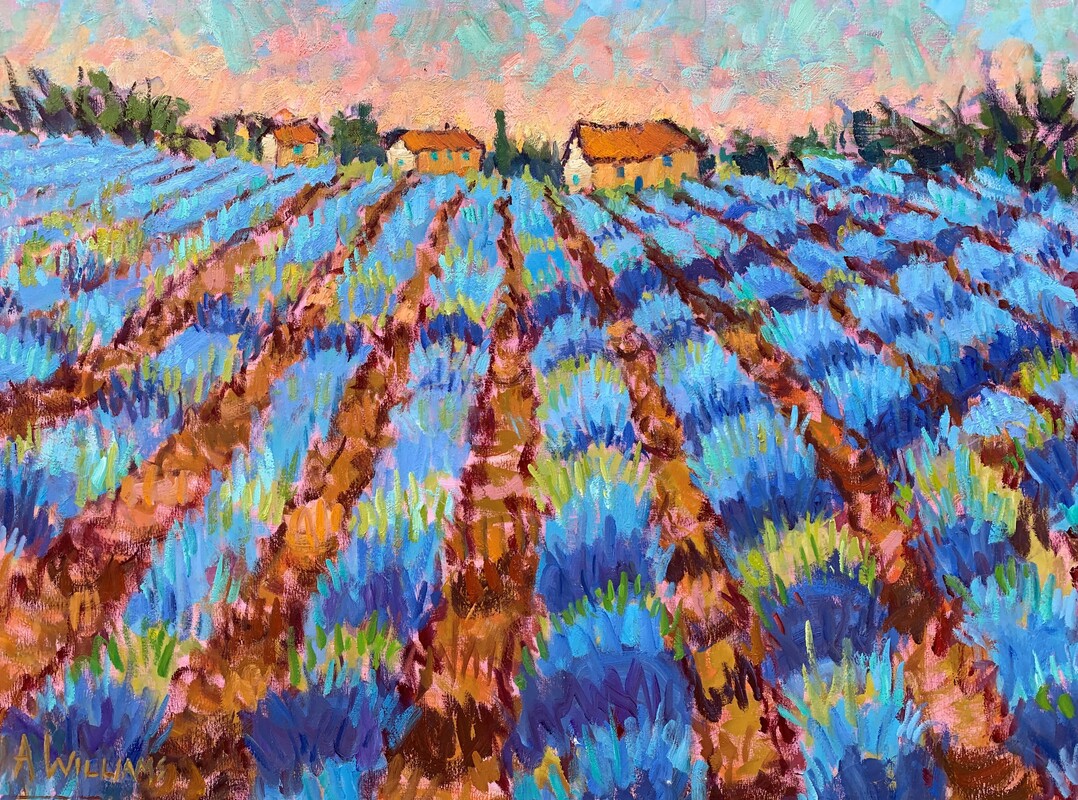
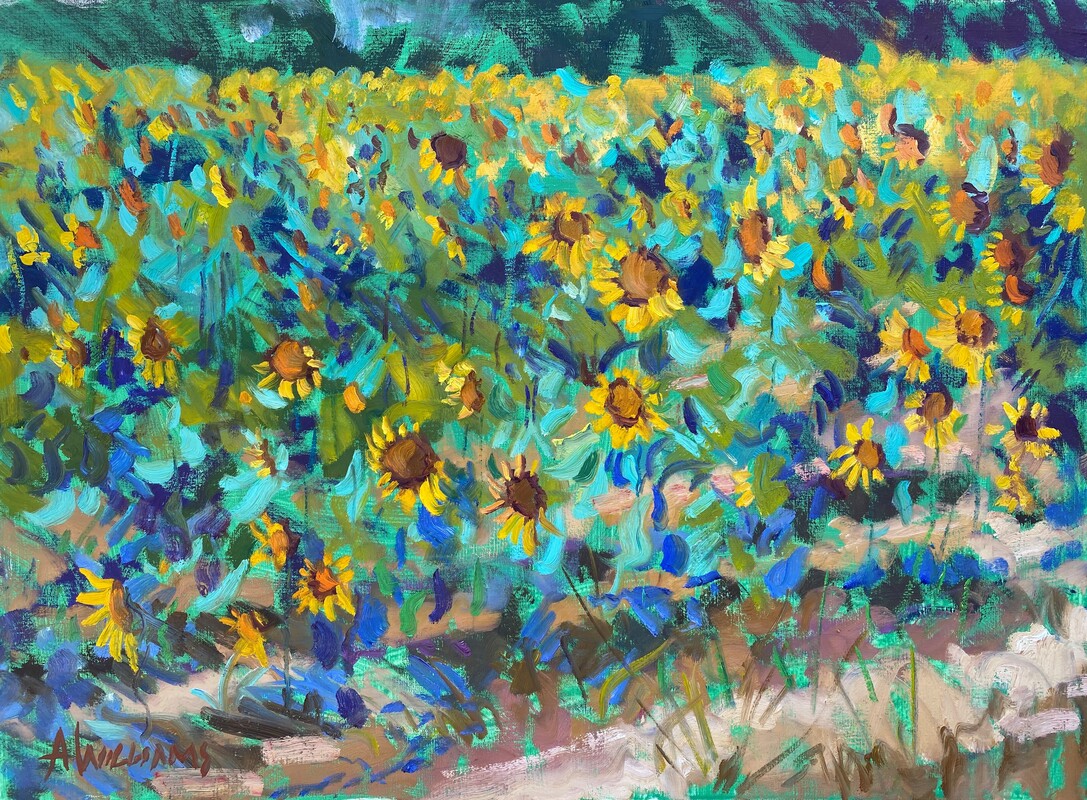
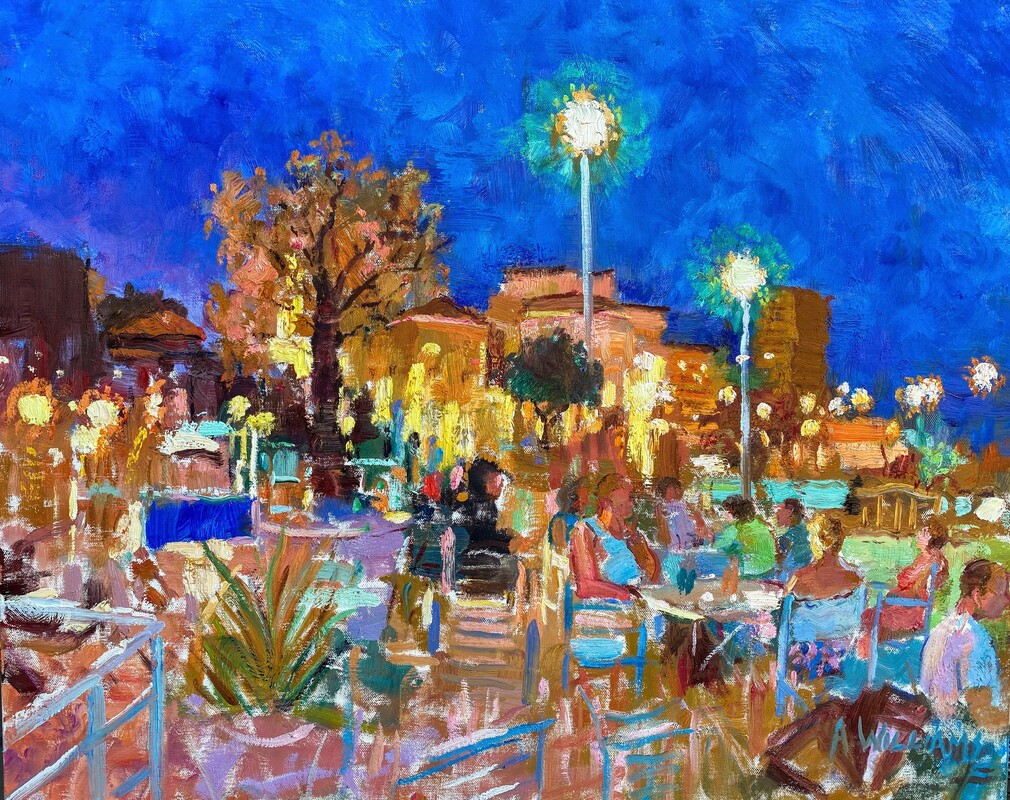
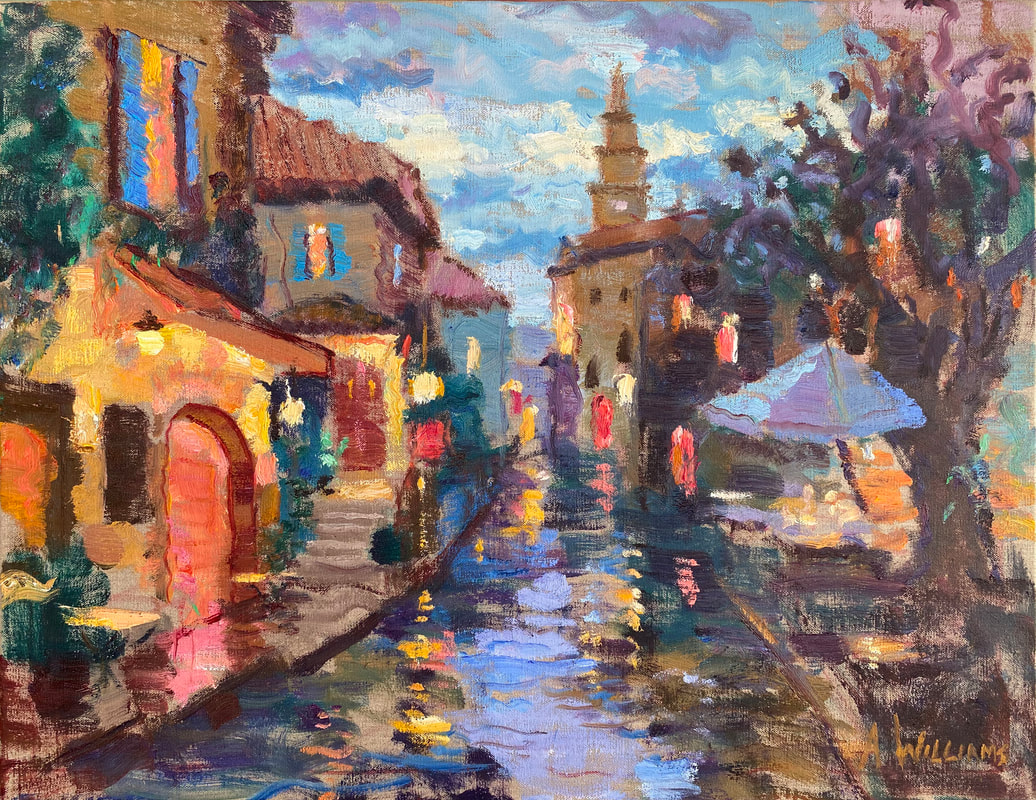
It's not even about getting your artwork. It's about getting your money. What they do is they find a high ticket item on your site, offer to buy it full price plus whatever your shipping cost is. Then they mail a check... or what looks like a check. When you see the check, though, it will be fore more than the agreed upon amount. Usually by a couple thousand dollars. So, you contact them. They apologize 'ohhh, my accountant sent the wrong amount. How about you send me a cashiers check for the difference and send that along with the artworks?' You shouldn't even bother going any further with this conversation. If you deposit the check, the bank will hold it because the funds cannot be verified. And then, boom - you can be hit with your own bank fees for their bounced check. I used to receive emails like this at least once a week... sometimes three or four times. At first, I would reply and string them along. After while, I would email them simply "I'm reporting you to Gmail for using their platform for nefarious reasons." - because 100% of those I received were coming through Gmail. Now... I just delete. Engaging with scammers opens the door. Who knows what they do with your information if you do reply. Who they share it with. So, I highly encourage you to just delete the email. 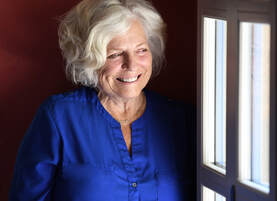 I met Alice Williams work before I met the artist, herself. About two years into working at Hagan Fine Art in Charleston, the opportunity to carry her work presented itself. I quickly grew to love her manner of painting with vivid colors, energetic brushstrokes, and so much personality. Her buildings come to life with their own unique personalities. You can hear the breeze blowing through her landscapes. Her still lifes create a quiet moment that will be broken any moment with the sound of laughter. 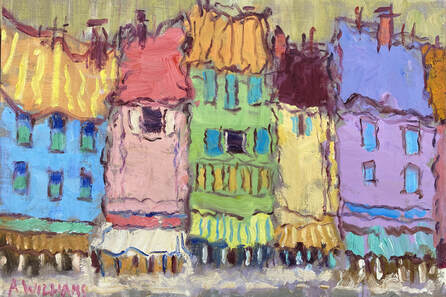 So, when I finally met her, face-to-face, in 2017 I immediately understood that everything she paints is a self-portrait of her own energy. She inspires joy, romance, beauty, and imagination. People collect and bring her paintings into their lives because they want to escape into the worlds she creates... which also just so happens to be the world she lives in. At the beginning of September, I had the wonderful opportunity to fly out to Provence to meet with Alice, her husband Don and her daughter Christine, to start our adventure together. I am proud to announce I am now the Agent and Business Manager for Post-Impressionist artist Alice Williams! What exactly does this mean? It means I am here to help Alice build out and manage her business, marketing strategies, and goals to help her strengthen her legacy in art history. She's had a wonderful team, aka her family, to provide the support to help her grow her business relationships with the galleries that represent her. I'm here to help expand that. 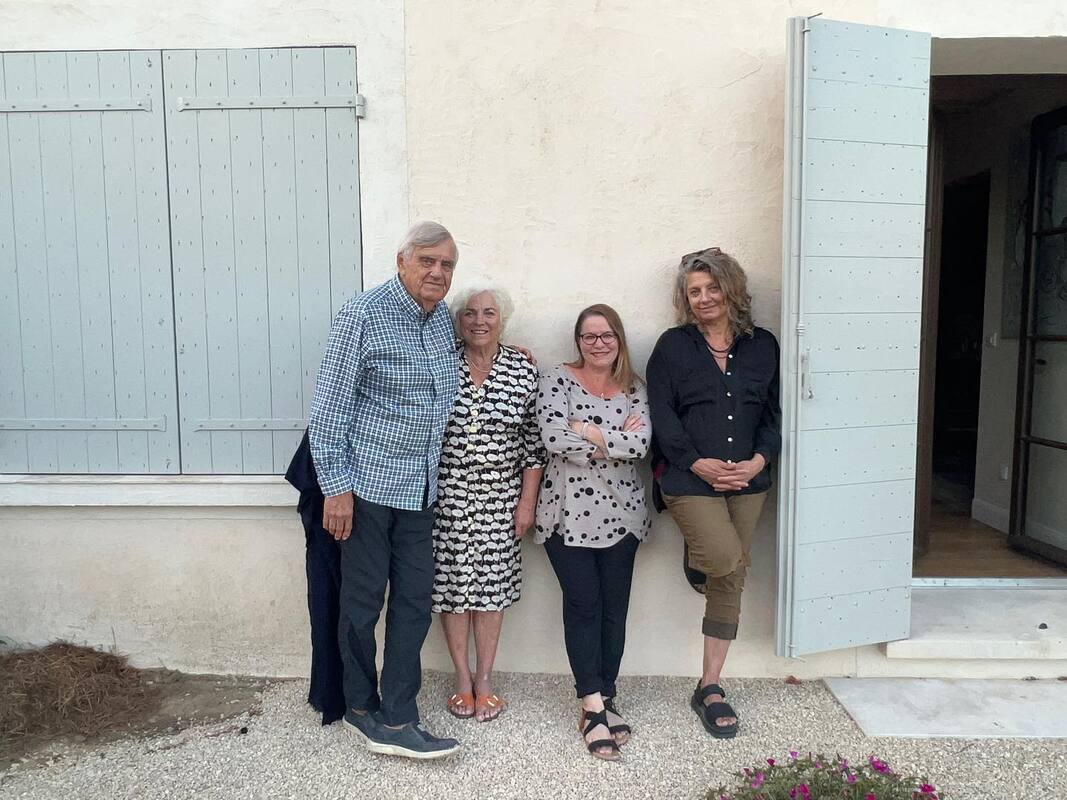 During our time together in Provence, Alice expressed so many ideas and dreams she wants to achieve... more than sharing her art with collectors and art lovers. My goal is to help introduce her work to more people, build up her online presence, and help her educate others through her teaching (yes, workshops, lessons, and more!) We have many plans already in the works. So, please follow Alice on Facebook and Instagram, and sign up for her bi-weekly emails to stay up-to-date with her latest pieces, her life, and our projects. And most importantly - Support small businesses! Visit her galleries storefronts and websites. 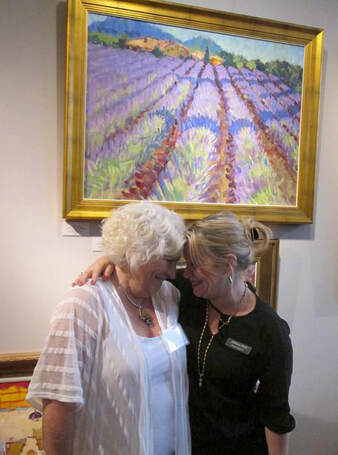 I caught Covid. It's been about twelve days since I tested positive, and five since I have tested negative. I am so grateful that I didn't experience the terrible side of Covid like so many others. Fortunately, it's been more of an inconvenience than anything. But, having had it, I still think of how much worse it could have been, and feel for those that are still dealing with the effects of other, previous strains.
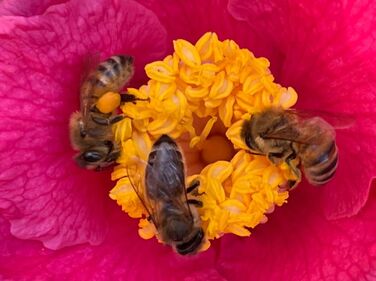
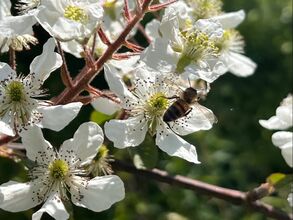
I lost my voice and am still hoarse from all the coughing, which I'm still doing. The headaches were more than just an inconvenience. They were debilitating at times. Fortunately, they're subsiding. The waves of fatigue that hit are annoying, as they typically happen right when I'm trying to really get into something, like make dinner or take a little walk around my property. My perspective of this experience helps me appreciate how this too shall pass and I need to continue to learn patience. I'm usually more patient when it comes to others than with myself. So, it's a test of one's Self-Care. I tend to silently deal with pain and stress - not even letting myself think much about it, much less talk about it to others. It's all just too inconvenient to impose on others or trouble myself with, because it'll stop everything I have in motion. And so, it's time to get back my focus and build on my goals of success. 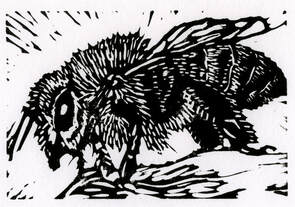 Fun Fact: I'm a beekeeper. For my husband's birthday in 2016, I got him all the fixin's to start beekeeping. We joined the area association, took the beginner's tests and got to keeping bees. We would spend hours just watching them fly to and from their hive, working hard to build up their colony and their pollen and honey reserves. Every two weeks we would go into the hive to inspect their progress and their health. It's hard work, and you do have your failures, but the payout of learning about them and observing their world has been amazing. 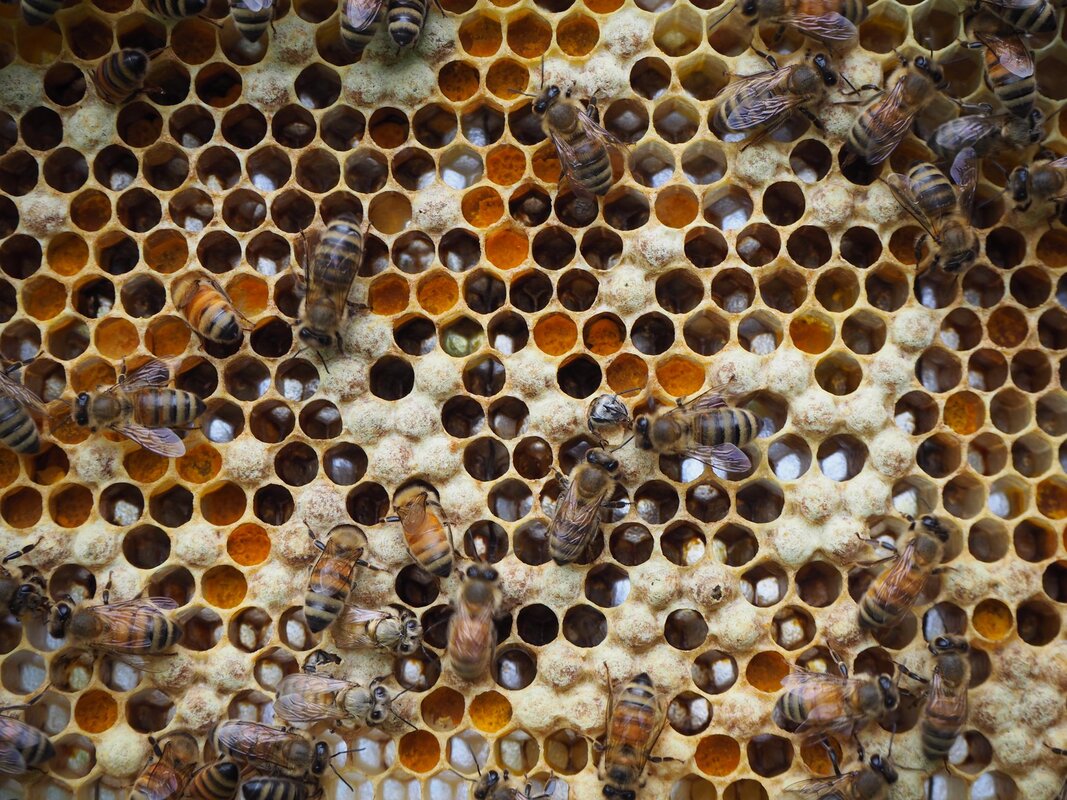 Honey bees have a broad range of careers in their short life. (They only 30-60 days!) From the moment they hatch out of the little cell, they get to work. First, they're cleaning service, then they become nurses, then builders and undertakers, then guards... It's when they graduate to become foragers that they reach their prime (and the last half of their life) they get to go out and see the world... within a 5-6 mile radius. I cannot compare myself to the magic and talent of the honey bee. But, if I look at my career, I see that I have taken a variety of steps to reach this new moment. I was one part winging it, two parts making a wish list of what I wanted to experience. I sort of took a jack of all trades approach - wanting to learn what it's like to work for the artist, the collector, the museum, the auction house, so on and so forth. Other than maybe Curator of MoMA or the Met, I've pretty much checked off that list of wishes. From this, I have gained a lot of perspective on what it takes to build a successful career in art. And now, I'm happy to share what I know to help those that are foraging for knowledge on how to find their success. So yeah... I'm not the honey bee. I'm the flower.
|
AuthorLife is a story to share. Document it. Archives
December 2023
Categories |

 RSS Feed
Legacy Art Management ~ PO Box 703, Saluda, NC 28773
C: 917.428.3649 ~ [email protected]
Copyright © 2022 ~ All Rights Reserved
WE RESPECT YOUR PRIVACY.
WE NEVER SELL OR DISCLOSE YOUR PERSONAL INFORMATION FOR ANY REASON.
C: 917.428.3649 ~ [email protected]
Copyright © 2022 ~ All Rights Reserved
WE RESPECT YOUR PRIVACY.
WE NEVER SELL OR DISCLOSE YOUR PERSONAL INFORMATION FOR ANY REASON.